Best Credit Cards Philippines for Beginners (2026)
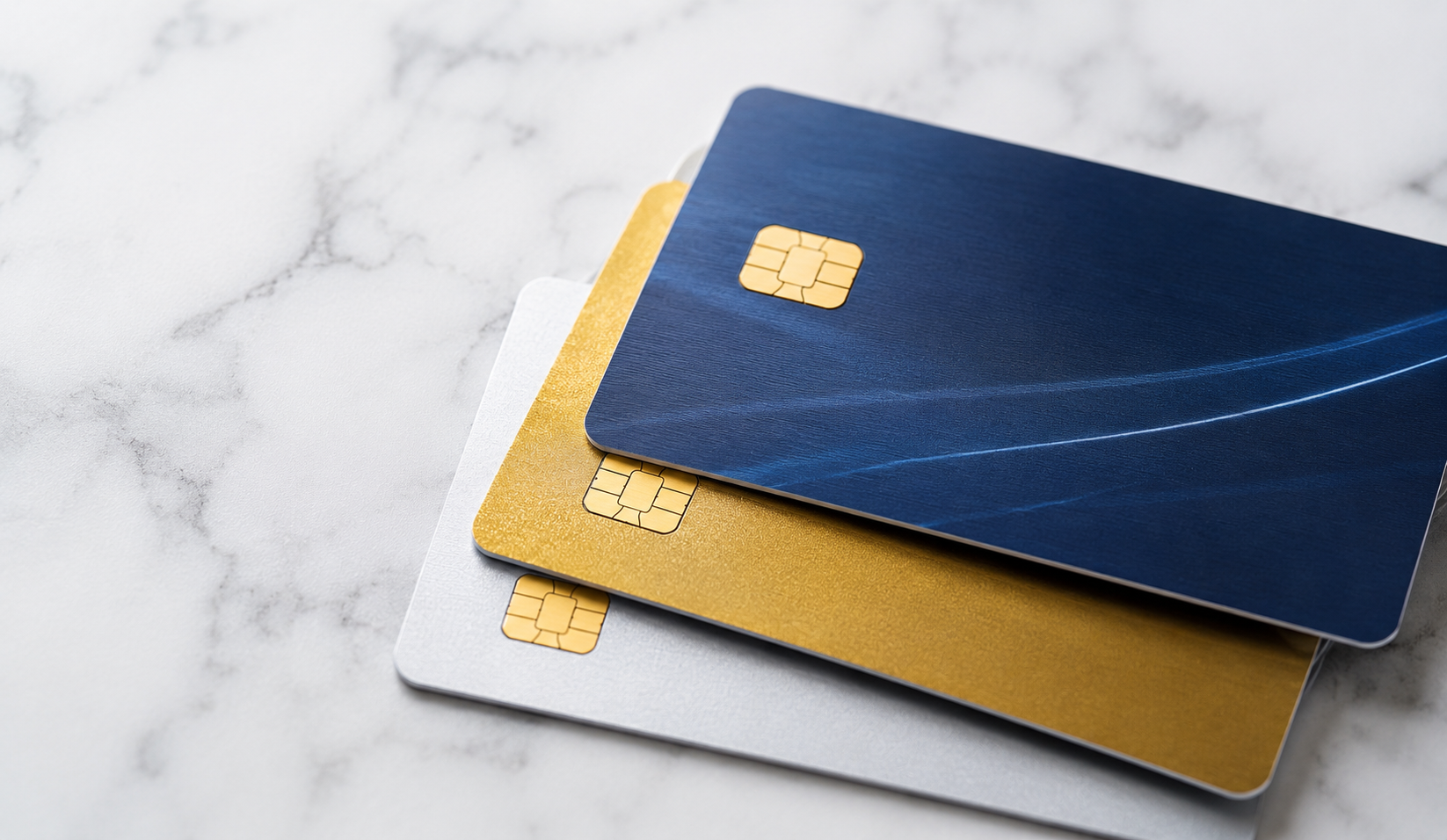
A credit card is not free money. Used badly, it charges 3–4% interest per month (36–48% per year) on any balance you carry. Used well, it gives you cashback on purchases you’d make anyway, fraud protection, and a credit history that makes future loans cheaper.
Habits determine which outcome you get, not income level.
This guide covers five credit cards for Filipino beginners, what to look for before applying, and the one rule that makes a card worth holding.
The One Rule That Changes Everything
Pay your full statement balance every month, before the due date.
Not the minimum. The full balance.
Credit card interest in the Philippines averages 2–3% per month on unpaid balances. That’s 24–36% annually. No cashback rate covers that gap. Carry a balance for one month and you’ve wiped out months of cashback earnings.
The Minimum Payment Trap Paying only the minimum keeps your account current but does not stop interest from accumulating on the remaining balance. A ₱10,000 balance paid at minimum monthly payments at 3% monthly interest takes years to clear and costs more than the original purchase in interest alone.
If you can commit to paying in full every month, a credit card is a useful tool. If you’re not confident you can, a debit card is the safer choice for now.
What to Look For in a Credit Card Philippines
Annual fee. Some cards charge ₱1,500–3,000 per year just to hold the card. Several cards waive this permanently or conditionally. For a beginner, aim for no annual fee.
Income requirement. Banks set minimum gross annual income thresholds for credit card applications. Entry-level cards start at ₱120,000 annually (₱10,000/month). Premium cards require ₱300,000–500,000+.
Interest rate. The BSP capped credit card interest at 24% per year (2% per month) for basic cards. Some cards still charge higher rates on cash advances. Check the terms.
Cashback or rewards. Cashback cards give you a percentage of your spend back as cash credit. Rewards cards give points redeemable for items or miles. For beginners, cashback is simpler and more transparent.
1. EastWest Practical Mastercard — Best No Annual Fee Starter
Annual fee: Free for life Income requirement: ₱120,000/year Cashback: 3% on fuel, 2% on groceries, 1% everywhere else
The EastWest Practical is the most accessible entry-level credit card in the Philippines. No annual fee for life means you hold this card indefinitely without a recurring cost, which matters as your credit history builds.
Fuel and groceries are where most Filipino households spend regularly. The cashback categories are well-matched to that.
Approval is available for applicants earning ₱10,000/month — one of the lowest thresholds among bank-issued cards. New graduates and early-career workers often get approved here when other banks turn them down.
Best for: First credit card, low income bracket, people who want simple permanent NAF without conditions.
2. UnionBank Rewards Card — Best for Online Spending
Annual fee: Free for life (no minimum spend required) Income requirement: ₱180,000/year Rewards: 1 point per ₱30 spend, accelerated points on online purchases
UnionBank’s Rewards Card has one of the more generous online shopping earn rates among entry-level cards. Given how much Filipino spending has moved to Shopee, Lazada, and food delivery apps, online purchase points add up quickly for most cardholders.
The UnionBank app is one of the better mobile banking experiences in the Philippines. Checking your statement balance and paying it takes under a minute.
UnionBank and Citi UnionBank acquired Citi Philippines’ consumer banking business in 2022. Some previously Citi-branded products are now under UnionBank. If you see older recommendations for the Citi Cashback Card, the UnionBank equivalent is what to look at now.
Best for: Online shoppers, people already using UnionBank for their main account.
3. BPI Amore Cashback Card — Best for Supermarket Spending
Annual fee: ₱1,200/year (waived with ₱500,000 annual spend or select BPI products) Income requirement: ₱180,000/year Cashback: 4% on supermarkets, 0.3% everywhere else
The BPI Amore Cashback gives the highest cashback rate on supermarket purchases among widely available Philippine cards. A household spending ₱20,000 per month on groceries earns ₱800 back monthly — ₱9,600 per year.
The annual fee requires a high spend threshold to waive. If you won’t hit ₱500,000 in annual card spend, factor the ₱1,200 fee into your cashback math.
BPI has the widest bank branch and ATM network in the Philippines, which matters for payments and cash advances if needed.
Best for: Households with significant monthly grocery spend, existing BPI customers.
4. Security Bank Gold Mastercard — Easiest to Get Approved
Annual fee: ₱2,000/year (waived first year, waivable with ₱250,000 annual spend) Income requirement: ₱120,000/year Rewards: 1 point per ₱20 spend
Security Bank is consistently cited as one of the easiest credit cards to get approved for in the Philippines, particularly for first-time applicants. If you’ve been turned down by BPI or BDO, apply here.
The income requirement matches EastWest at ₱120,000/year. The rewards rate is standard. The reason to apply is access.
Best for: Applicants who’ve been declined elsewhere, people building a credit history.
5. Metrobank Cashback Visa — Best for Utilities and Gas
Annual fee: ₱2,000/year (waived with ₱500,000 annual spend) Income requirement: ₱180,000/year Cashback: 5% on utilities, 2% on gas, 1% on grocery and department stores
The Metrobank Cashback Visa has the highest utility cashback rate on this list. A ₱3,000 monthly Meralco bill earns ₱150 back per month, ₱1,800 per year from one bill alone.
The annual fee waiver threshold is high. If you’re using this primarily for utility payments, run the numbers: your cashback savings should exceed the ₱2,000 annual fee to make it worth holding.
Best for: Households with high monthly utility bills, Metrobank account holders.
Quick Comparison
| Card | Annual Fee | Income Req. | Best Cashback Category |
|---|---|---|---|
| EastWest Practical | Free for life | ₱120K/year | Fuel (3%), Groceries (2%) |
| UnionBank Rewards | Free for life | ₱180K/year | Online shopping |
| BPI Amore Cashback | ₱1,200 (waivable) | ₱180K/year | Supermarkets (4%) |
| Security Bank Gold | ₱2,000 (waivable) | ₱120K/year | General spend |
| Metrobank Cashback | ₱2,000 (waivable) | ₱180K/year | Utilities (5%) |
How to Apply
All five cards accept online applications. What you need:
- Valid government-issued ID (passport, driver’s license, PhilSys)
- Latest payslip (2 months) or Certificate of Employment
- TIN
- Proof of billing for address verification
Processing takes 5–15 business days. Some banks offer conditional approval in 24–48 hours online.
One Card First Apply for one card at a time. Multiple simultaneous applications show up on your credit record and can lower your approval odds. Start with the card that best fits your income and spending, get approved, use it for 6–12 months responsibly, then consider a second card if your spending warrants it.
Building Credit Responsibly
A credit card does two things beyond cashback: it builds your credit score and establishes a credit history with the Credit Information Corporation (CIC). Both matter when you apply for a car loan, a home loan, or a business loan in the future.
Banks look at payment history, credit utilization (how much of your limit you use), and account age. Paying in full every month, keeping your balance below 30% of your credit limit, and holding the card for at least a year all strengthen your credit profile.
Frequently Asked Questions
What is the easiest credit card to get approved for in the Philippines?
EastWest Practical Mastercard and Security Bank Gold Mastercard have the lowest income requirements (₱120,000/year) and the widest approval criteria for first-time applicants. If you’re declined, reapply after 6 months — and ensure your income documentation is complete before reapplying.
Should I get a supplementary card for a family member?
Supplementary cards share your credit limit. You are responsible for all charges made on supplementary cards. Only add supplementary cardholders you trust completely.
Can I use a credit card to pay my Pag-IBIG MP2 contributions?
Some payment channels (Bayad Center, certain online platforms) accept card payments for Pag-IBIG contributions. Check the Virtual Pag-IBIG portal for current accepted payment methods. If you can pay MP2 via credit card without a fee, you effectively earn cashback on an investment — a rare double benefit.
Is it bad to have too many credit cards?
Too many cards with high unused limits can affect loan applications, as banks count available credit as potential debt. Two to three cards covering different spending categories is practical for most people. Beyond that, the complexity rarely justifies the benefit.
Card features, fees, and income requirements are based on publicly available bank information as of May 2026. Verify current terms directly with each bank before applying, as these change. This is not financial advice.