Finance
Personal Finance & Side Hustles
Personal finance, investing, side hustles, and building wealth.
Best Credit Cards Philippines for Beginners (2026)
The best starter credit cards in the Philippines for 2026: no annual fee options, cashback picks, income requirements, and how to avoid the interest trap.
Pag-IBIG MP2: The Beginner's Guide to Investing (2026)
Pag-IBIG MP2 pays 6–8% annually, tax-free, with government backing. Open an account via Virtual Pag-IBIG, choose your payout option, and see who it's best for.

How to Invest in ETFs in the Philippines (2026)
A beginner's guide to ETF investing in the Philippines: FMETF, global ETFs via IBKR, how to open a brokerage account, and what it costs to start.
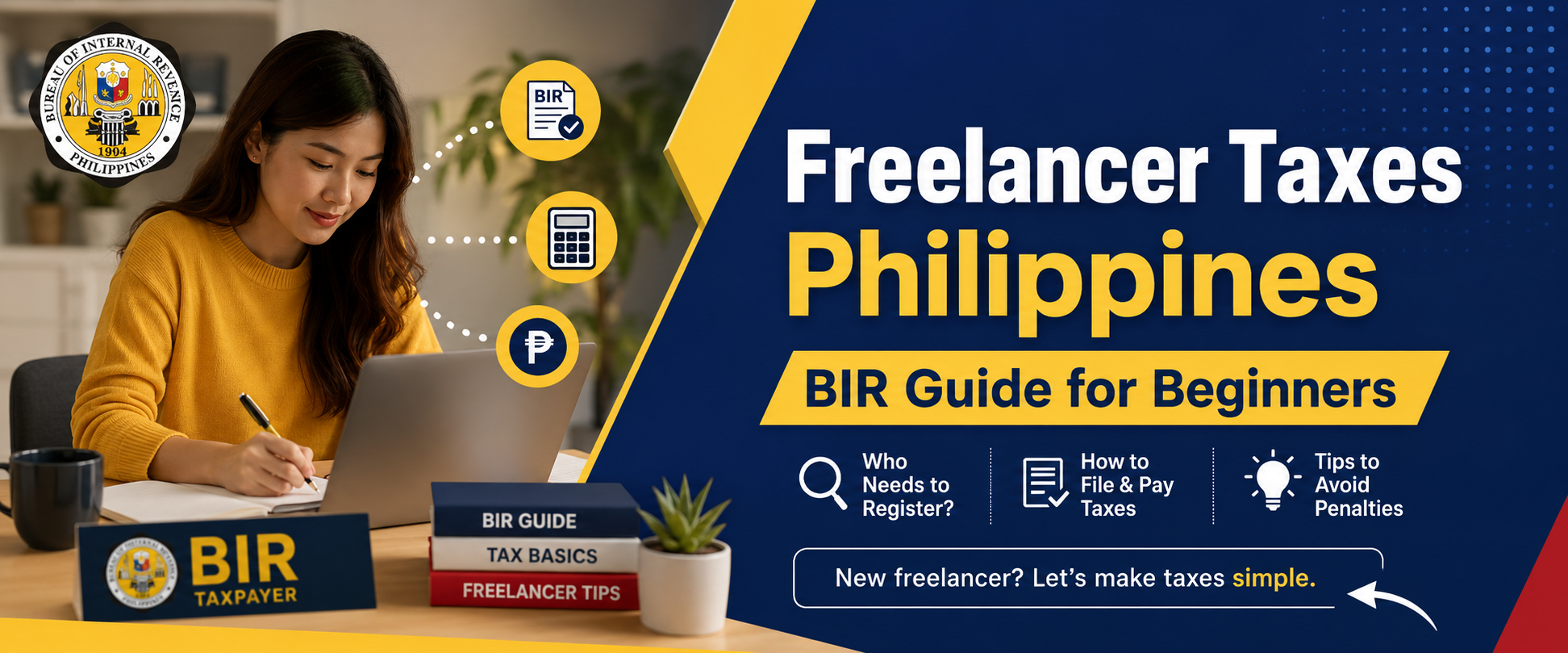
Freelancer Taxes Philippines: BIR Guide for Beginners (2026)
If you earn from freelancing, online selling, or consulting in the Philippines, you're required to pay taxes. Here's exactly how to register and file without losing your mind.

Best High-Yield Savings Accounts Philippines 2026
Traditional bank savings accounts in the Philippines pay as little as 0.10% p.a. Here are the best high-yield savings accounts available right now and how to choose one.

GCash vs Maya vs GoTyme: Which Digital Wallet Actually Wins in 2026?
Three apps, all doing roughly the same thing — but they're not equal. Here's an honest comparison of GCash, Maya, and GoTyme for everyday Filipinos in 2026.

Index Funds Philippines: Beginner's Guide to Investing
You don't need to be rich or know a stockbroker. Here's the simplest honest path to start investing in the Philippines with index funds.

GoTyme Bank Stocks Philippines: How It Works and Is It Worth It
GoTyme Bank has one of the most accessible stock investing features in the Philippines. How it works, what it costs, and who should use it.

Passive Income Philippines: What Filipinos on Reddit Recommend
We combed through r/phinvest so you don't have to. Here are the passive income strategies Filipinos are actually using, ranked by how often they come up.
Getting Started with Budgeting: The 50/30/20 Rule
The 50/30/20 rule is the simplest framework for controlling spending, building savings, and reducing financial stress — here's how to apply it.