Starlink Philippines Review 2026: Is It Worth the Price?
✅ Pros
- Delivers real broadband speeds anywhere in the country — including rural areas with no fiber
- Low latency for satellite internet (20–60ms) — usable for video calls and remote work
- Self-installation in under an hour, no technician required
- The only viable option in areas where fiber infrastructure will never arrive
❌ Cons
- Hardware cost is high — ₱30,000+ for the dish and router kit
- Monthly fee is 2–3x what fiber costs in urban areas
- Heavy rain causes noticeable speed drops and brief outages
- Requires a clear, unobstructed view of the sky — trees and overhangs hurt performance
- Poor value for anyone who already has access to Globe or PLDT fiber
Starlink is the right answer to a specific problem: fast internet in places where Globe, PLDT, and Sky have no coverage or coverage too poor to work with. If that describes where you live, Starlink is worth the cost. If it doesn’t, it isn’t.
Everything below fills in the detail.
What Starlink Actually Costs in the Philippines
Hardware: The standard residential dish and router kit runs approximately ₱30,000–₱35,000, depending on peso-dollar rates at the time of purchase. This is a one-time cost.
Monthly service: Starlink Residential costs approximately ₱2,800–₱3,500/month as of 2026. Starlink also offers a Roam plan for users who need service across multiple locations, at higher monthly pricing.
For comparison: Globe Unli Fiber Plan 1299 costs ₱1,299/month and delivers 50–200 Mbps in covered areas. Starlink costs roughly twice that per month, plus a significant hardware purchase upfront.
First-Year Cost Total cost of Starlink in year one (hardware + 12 months service): approximately ₱64,000–₱77,000. A comparable fiber plan costs ₱15,000–₱30,000 for the year with no hardware fee.
Performance: What Speeds Actually Look Like
Starlink’s published speeds for residential users are 25–100 Mbps download. Philippine user reports show:
- Clear weather, open sky: 80–200 Mbps download, 10–30 Mbps upload, 20–60ms latency
- Light rain: 40–100 Mbps, latency largely unchanged
- Heavy rain: 10–40 Mbps, occasional outages of 1–3 minutes
- Obstructions (trees, roof overhang): Speed drops and brief disconnections proportional to how much sky is blocked
These speeds handle:
- Video calls on Zoom, Google Meet, and Teams
- Remote work with cloud-based tools
- 4K video streaming
- Online gaming (latency is better than traditional satellite, but higher than fiber — expect 40–60ms vs 5–15ms for fiber)
Self-Installation
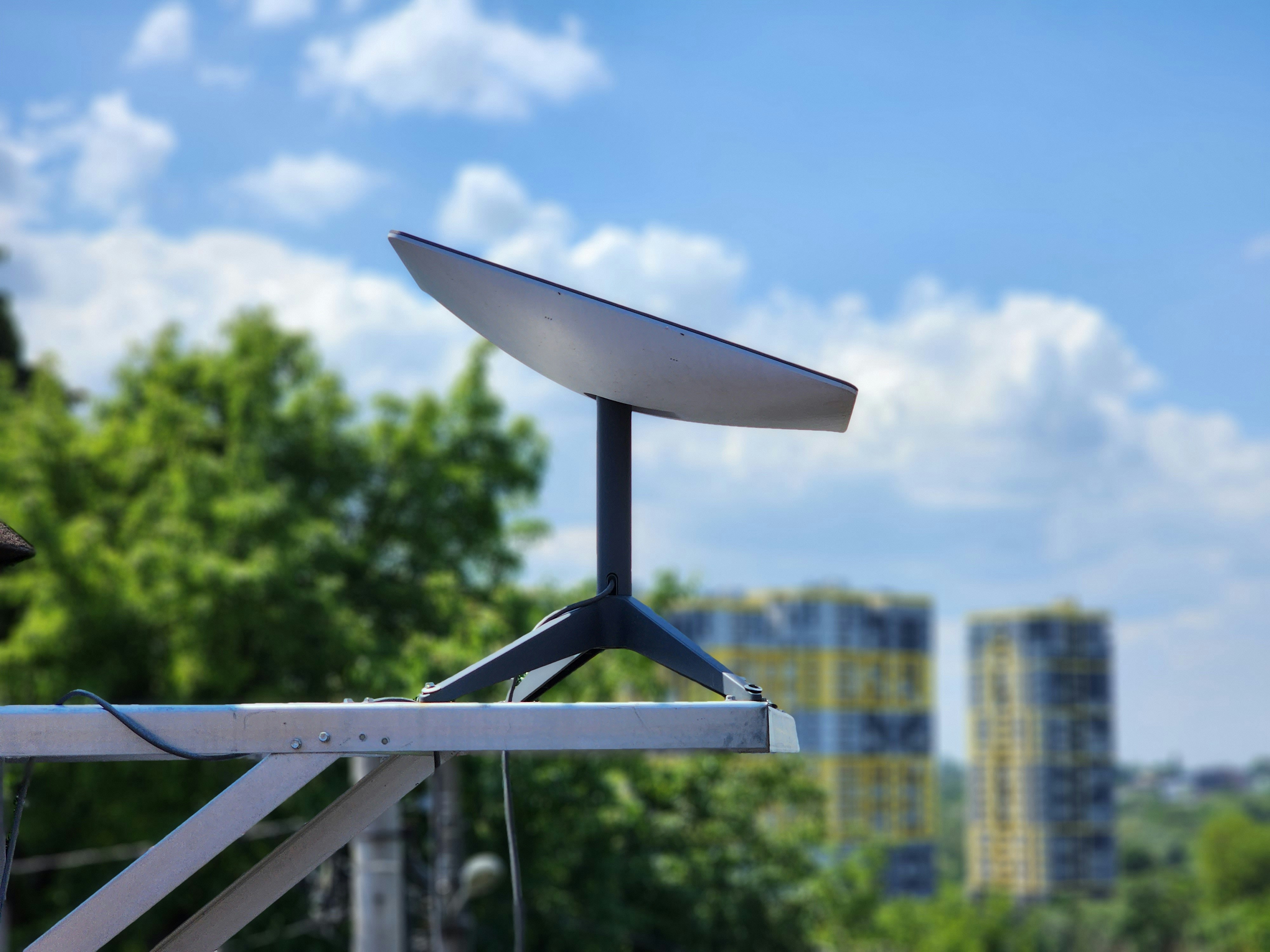
The Starlink app shows you whether your chosen installation spot has a clear enough sky view before you commit to mounting anything. The physical process — positioning the dish, running the cable, connecting the router — takes most households 30–60 minutes.
No technician appointment. No three-week wait for an installer who may reschedule twice. For rural areas accustomed to unreliable ISP service teams, this alone is meaningful.
Before You Order Run the obstruction check in the Starlink app at your intended mounting location first. Open sky to the north matters most for Philippine locations. Trees and overhanging roofs are the most common causes of performance problems after installation.
Who Should Get Starlink
Yes — Starlink makes sense if:
- You’re in a provincial area where Globe or PLDT fiber isn’t available and cellular data is your only option
- You live on an island barangay with no fiber infrastructure
- You run a business (farm, resort, construction site) in a rural location that depends on reliable internet
- You work remotely and your income depends on stable connectivity, but fiber won’t reach your location
No — Starlink doesn’t make sense if:
- You’re in Metro Manila or any urban area where fiber is available
- Budget is a constraint — the monthly cost is hard to justify against fiber pricing
- You rent an apartment with limited outdoor space or no clear sky view
The Core Question Before ordering, check whether Globe or PLDT fiber is available at your exact address. If fiber is available, get fiber. Starlink’s value is for locations where the alternative is cellular data or nothing at all.
Compared to Local ISPs
| Starlink | Globe Fiber | PLDT Fiber | |
|---|---|---|---|
| Monthly cost | ~₱2,800–₱3,500 | ₱1,299–₱2,499 | ₱1,299–₱2,499 |
| Hardware cost | ₱30,000–₱35,000 | Free (modem included) | Free (modem included) |
| Nationwide availability | Yes | Urban/suburban only | Urban/suburban only |
| Typical speeds | 25–200 Mbps | 50–300 Mbps | 50–600 Mbps |
| Reliability | Weather-dependent | Generally stable | Generally stable |
| Latency | 20–60ms | 5–15ms | 5–15ms |
Verdict
Starlink earns a 7/10 for the Philippines market. The technology works well. The hardware is easy to install. The speeds are real. The limitation is price — and in Metro Manila or any city with fiber access, that price is hard to justify.
For rural Philippines where the choice is between Starlink and a 3–5 Mbps cellular connection that drops in rain, Starlink is a straightforward answer. For urban users, it isn’t a competition.
Know which situation you’re in before you order.
Pricing is approximate and changes with peso-dollar rate fluctuations. Confirm current pricing at starlink.com before purchasing.